
'Wolf Hall: The Mirror & the Light' History Defining Drama

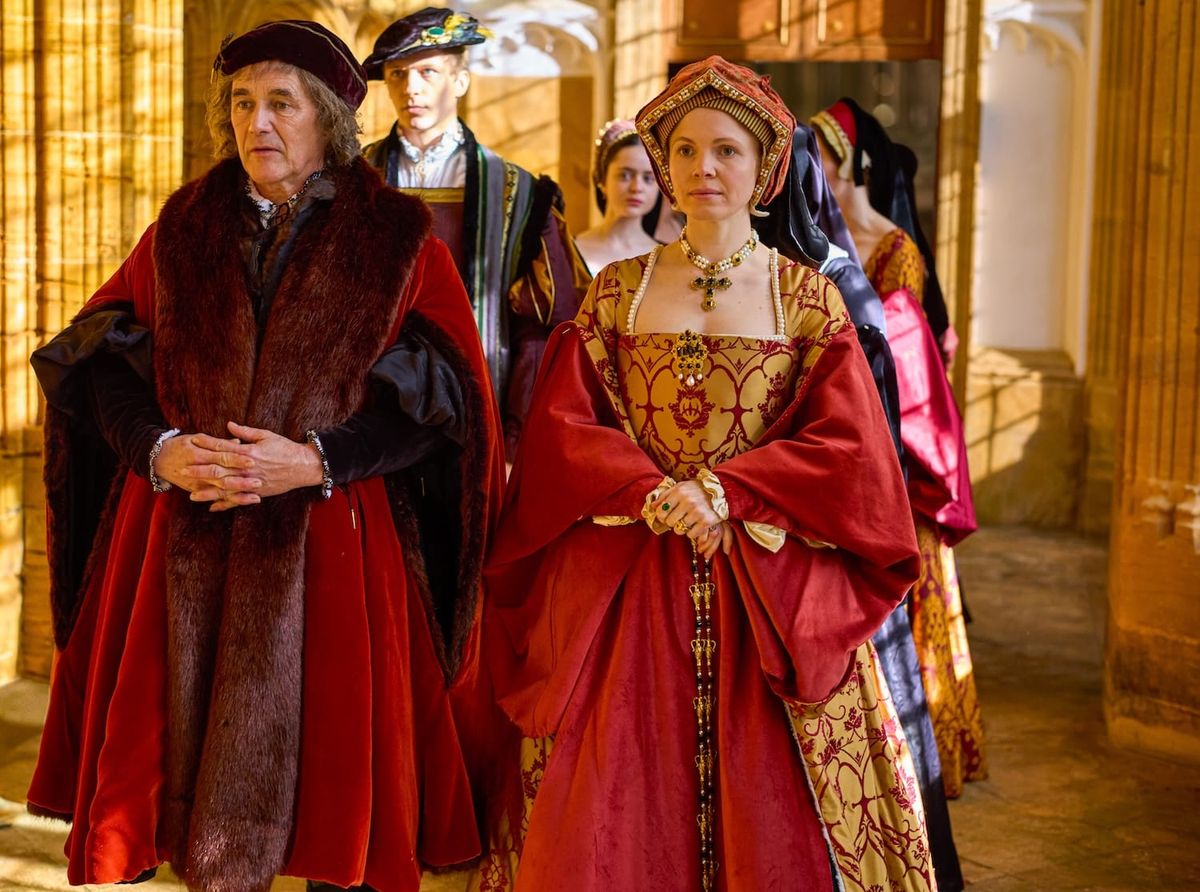
Historical accuracy in historical dramas is always a delicate subject, and audiences can and will take offense at what they perceive as inaccuracies or anachronisms. Here is a short selection of what people have objected to so far (let the pearl-clutching commence) since Wolf Hall debuted in 2015: Kate Phillips as Jane Seymour being too pretty; the use of a house not built until the Elizabethan period. Also, the depiction of Thomas More was criticized, particularly by Roman Catholics (who still regard him as a saint and a martyr) for making him a villain and Cromwell the hero.
(The last time More starred on the screen/stage was in Robert Bolt’s 1966 A Man For All Seasons, with Paul Scofield as More, still considered a masterpiece.)
Cromwell's current redemption must be attributed to Hilary Mantel, Wolf Hall’s creator, who did her research, going back to original documentation as would any good historian. Mantel always argued that the novelist’s job was to take a leap of faith into her characters’ heads and advised other writers to handle historical fact with respect (quoted in The Conversation):