Should Netflix Renew 'Queen Charlotte' for Season 2? The Show's Creator Weighs In

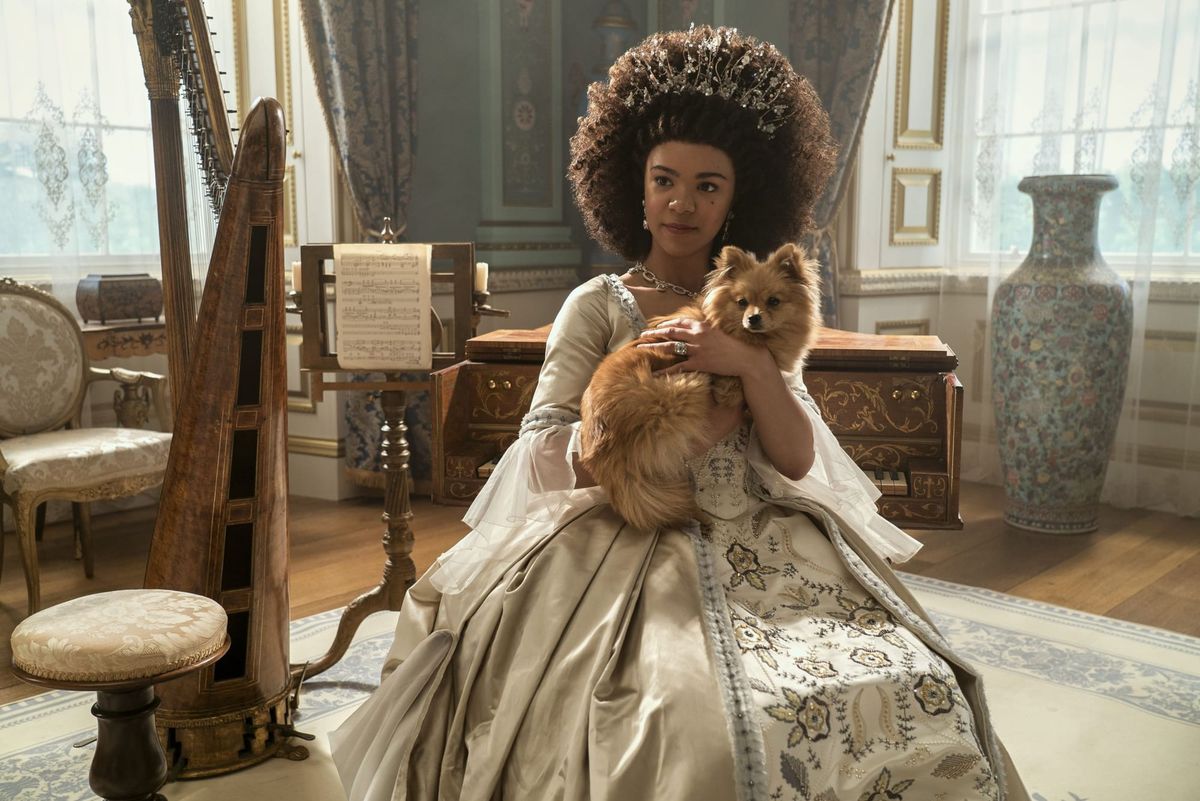
Once upon a time (because the best posts about romances always start that way), when an American show was a hit with audiences, that meant it would run for years. M*A*S*H, Cheers, Seinfeld, Friends; all ran for a decade or more. When Game of Thrones hit the big time in 2011, author George RR Martin and HBO boasted "it could run for ten seasons." However, since the domination of Netflix, that model is out the window. Now a show is lucky if it runs five seasons, even when it's the streaming service's flagship show. Instead, the main show gets spinoff limited one-and-done, such as Bridgerton and Queen Charlotte: A Bridgerton Story.
However, this model is still relatively new, and thus far, most of these spinoffs, especially on Netflix, have only done modestly well or, in the case of Witcher: Blood Origin, outright flopped. That brings us back to Queen Charlotte, where, for the first time, the limited series spinoff is as popular, if not better than, the parent show. That leaves Netflix with a dilemma: does the service renew a show that was designed not only not to be renewed but to avoid having to pay actors, writers, and directors what they're worth by ensuring none of their hit shows run long enough to reach that point?
It boils down to simple economics. Running a show for four seasons on broadcast television was profitable because, at 100 episodes (pre-peak TV, most shows ran 26 episodes a season), it could be syndicated. Most union contracts are therefore structured around the idea that at Season 4, everyone makes money, so therefore, everyone gets a raise. But streaming services don't have syndication. Moreover, these companies promised their shareholders a constant stream of new subscribers, who are much more likely to sign up for a new title than a new season of an old hit, while those who might leave because a show ends are assumed to return in the constant churn of subscribers.