‘Victoria’ Season 2: “Faith, Hope and Charity” Recap

Previously on Victoria: The period drama finally gave us a fun, fluffy episode, as most of the royal court heads off to France as part of Victoria’s plan to talk King Louis Phillippe out of a plan to marry his son off to Spain. This plan ultimately ends up being unsuccessful, but the trip is hilarious fun, full of lavish costumes, ridiculous French costumes, and lots and lots of Albert being a snooty jerk. The prince, it would seem, is having some emotional distress over the idea that he might really be King Leopold’s son, and basically takes it out on everyone else until he gets a talking to from his wife. Victoria, for her part, makes a moving speech about how she loves Albert for who he is, and the two end the episode more united than ever. (And, also, pregnant again!) If you need them, more details can be found in our full recap of "Entente Cordiale."
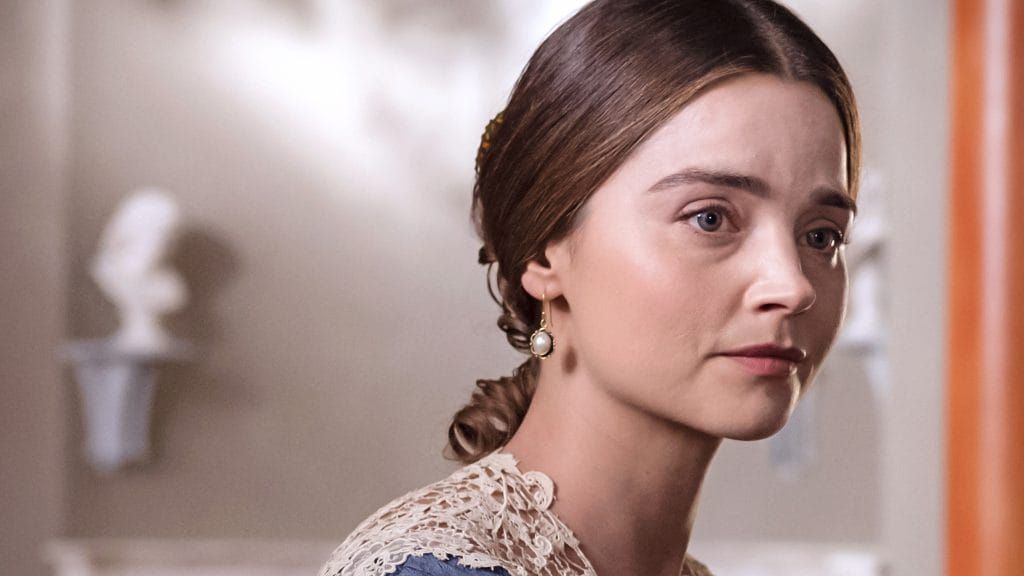
Well, in case you thought we had just a little too much fun last week, Victoria goes straight back to serious again with an episode that focuses almost entirely on the 1840s Irish potato famine. “Faith, Hope and Charity” acquits itself admirably well, unflinchingly looking at the reprehensible attitudes among certain government and religious groups towards the Irish and poor people in general. However, the episode does perhaps overly rely on an overly kind characterization of Victoria herself, presenting the monarch as a woman with the best of intentions, who finds herself hamstrung and unable to do as much as she would like thanks to the cynical machinations of her own government. Is that entirely accurate, historically speaking? Maybe, maybe not. There’s little evidence either way about whether the real Victoria cared all that much about these catastrophic events happening in her kingdom. But this makes for a much better, more compelling story in the end. So, let’s all go with it, shall we?
One reason that Victoria is such great television is because of the way the show conceptualizes its titular monarch. This queen is a multi-dimensional woman who tries her best to rewrite the rules of the man’s world she finds herself in. Our collective desire to see Victoria succeed in this endeavor — to be the progressive, pseudo-feminist monarch we want to believe her to be — occasionally allows the show to get away with some fairly creative interpretations of the facts. But because this idea of Victoria is such a powerful one, it makes the show even more compelling than it might be otherwise. The queen’s campaign to force her Prime Minister to acknowledge the horrors happening in Ireland is not only great TV, it’s what we actually want to believe happened — whether it actually did or not.