'MobLand's Failure to Commit Is a Crime Against Television

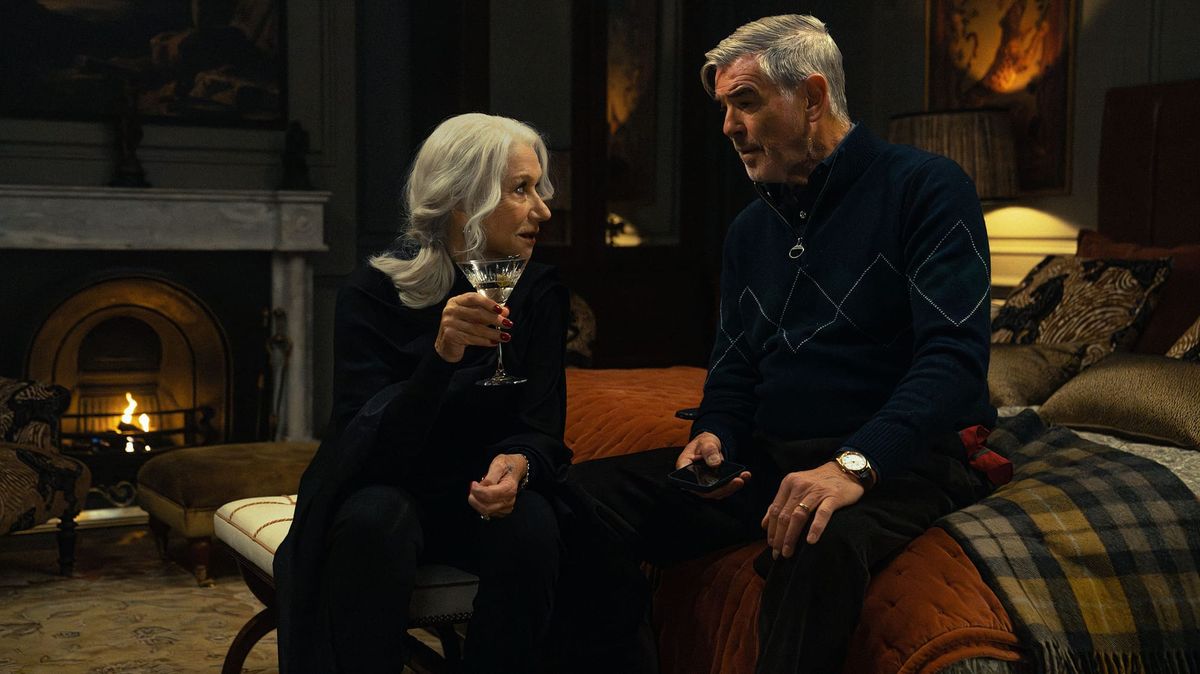
Any questions about why there is barely any buzz around Paramount+’s MobLand, which like Netflix’s splashy The Gentlemen, was partially directed by British crime king Guy Ritchie (Ritchie created The Gentlemen, while Top Boy’s Ronan Bennett created MobLand) are swiftly answered by the premiere episode – no-one is that invested in this modern gangland tale. Despite starring venerable talents like Tom Hardy, Pierce Brosnan, and Helen Mirren, the first two episodes do not convince us that an elongated development period did this series any favors – conceived as a prequel to Ray Donovan, the show purportedly took on a life of its own as an original story.
There’s not a lot original about the first two episodes of MobLand (the only episodes provided to Telly Visions in advance), only a punchy premise and perfunctory efforts at character drama that you fear will be tediously stretched out over ten episodes. Two episodes into MobLand, there is no clear reason why this shouldn’t have been a two-hour Guy Ritchie crime film set in modern London starring Tom Hardy as a fixer for a crime family.
Irish ganglord Conrad Harrigan (Brosnan) lives on a plush estate with his wife Maeve (Mirren) and anxiously stews over the stability of his empire. In the opening scene, bagman Harry Da Souza (Hardy) mediates between feuding drug pushers in a restaurant kitchen, only to be instructed by Conrad to send a message by killing them in one fell swoop of automatic gunfire from Harry and his subordinates, Zosia (Jasmine Jobson) and Kiko (Antonio González Guerrero). These gang divisions are not dramatically substantive, they just exist as a pretext to shock the viewer with brutality in the first five minutes.