'King Charles III' Recap

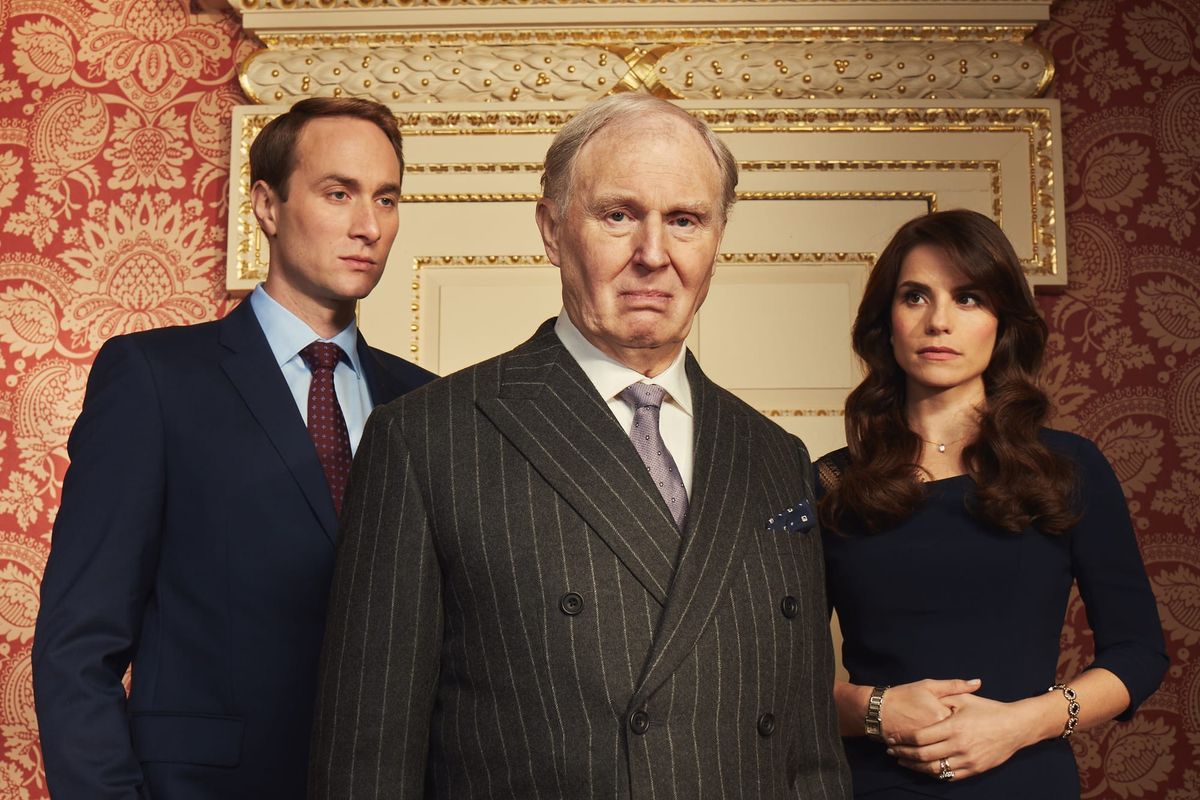
King Charles III has all the hallmarks of a Shakespearean history play, one that tells that sad truth that "Monarchs should be seen and not heard." But what does it say about the United Kingdom that it insists on telling the tale of the end of our second Elizabethan age era with the trappings usually reserved for a first Elizabethan aged production?
Paul: "Since she died, the world's gone mad, I swear. Every night people have this look... And it's like they're terrified. They don't know where they live. They don't know what Britian is."
King Charles III. The title alone brings to mind Shakepearean dramas as Henry V, or Richard II. But the similiarities don't just end with the title. There are ghosts giving prophecies, two-faced courtiers, and ambitious family members ready to stab the king in the back, all written in blank verse. That a play that channels the insecurities brought about by the coming inevitable end of the Second Elizabethean Age would use all the trappings of Shakespeare, the greatest playwright of the first, is interesting. That was a time when the monarchy was at the height of power. Yet this is a tale that seems to say "monarchs should be seen and not heard."