Classics Revisited: 'Daniel Deronda'

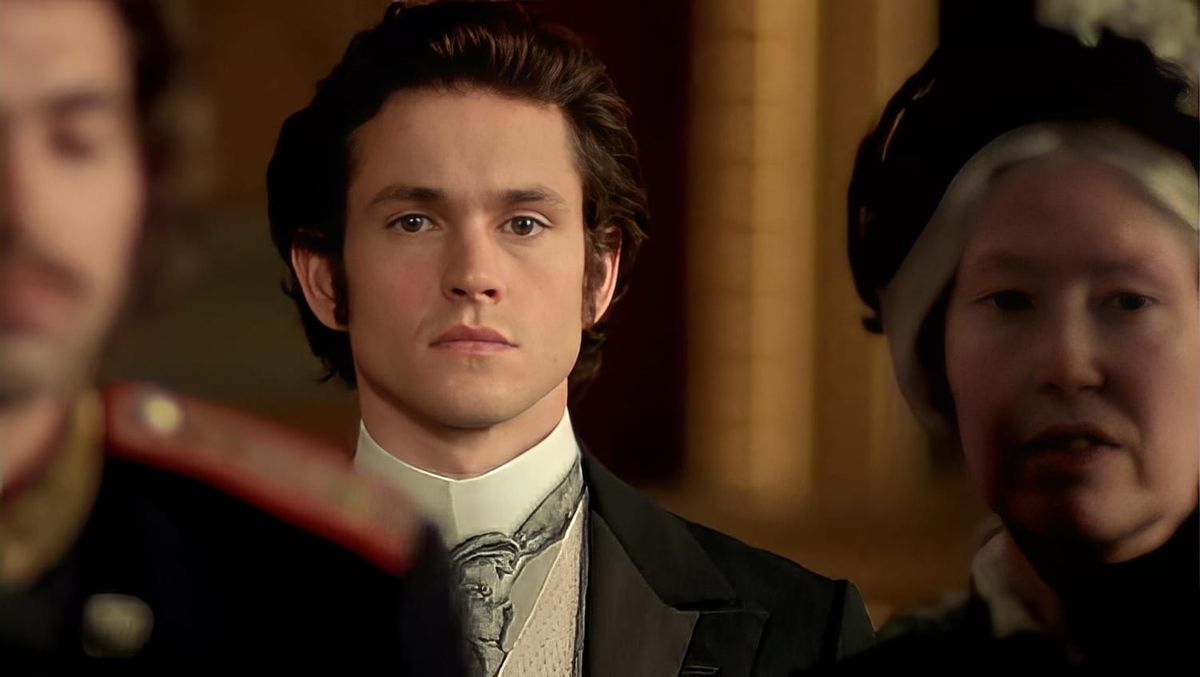
After the success of their 1994 production of Middlemarch, director Tom Hooper collaborated with Andrew Davies on George Eliot’s last book, Daniel Deronda. Set in her present day, when it just happened that Britain had a flamboyantly Jewish prime minister, Benjamin Disraeli, it was initially published as a magazine serial, and then in book form in 1876. The novel explores her interest in Jewish religion and culture, with her titular hero discovering his origins and destiny are way beyond those of an English gentleman. Jostling this subplot with the journey of troublesome heroine Gwendolen Harleth, with whom Daniel maintains a more-or-less chaste intimacy after she marries the wrong man, the book is notable for feeling as though you’re reading two entirely different novels.
I have spent my life in doubt and confusion but now I realize it was always your voice I heard.
The notable 20th-century critic F. R. Leavis firmly believed the Harleth-Deronda part of the story was the only one worth keeping, but when it was first translated into Hebrew, those very sections were dropped. I can’t imagine either version would be a very satisfactory read, but for many of us, Daniel Deronda is the Eliot book that doesn’t quite work, though it's not so much the battling plots as the titular character. This production, and in particular titular lead Hugh Dancy (Downton Abbey), mostly solves the problem, and in there lies its brilliance.