'The Power of the Dog' is a Movie Meant to Be Seen More Than Once

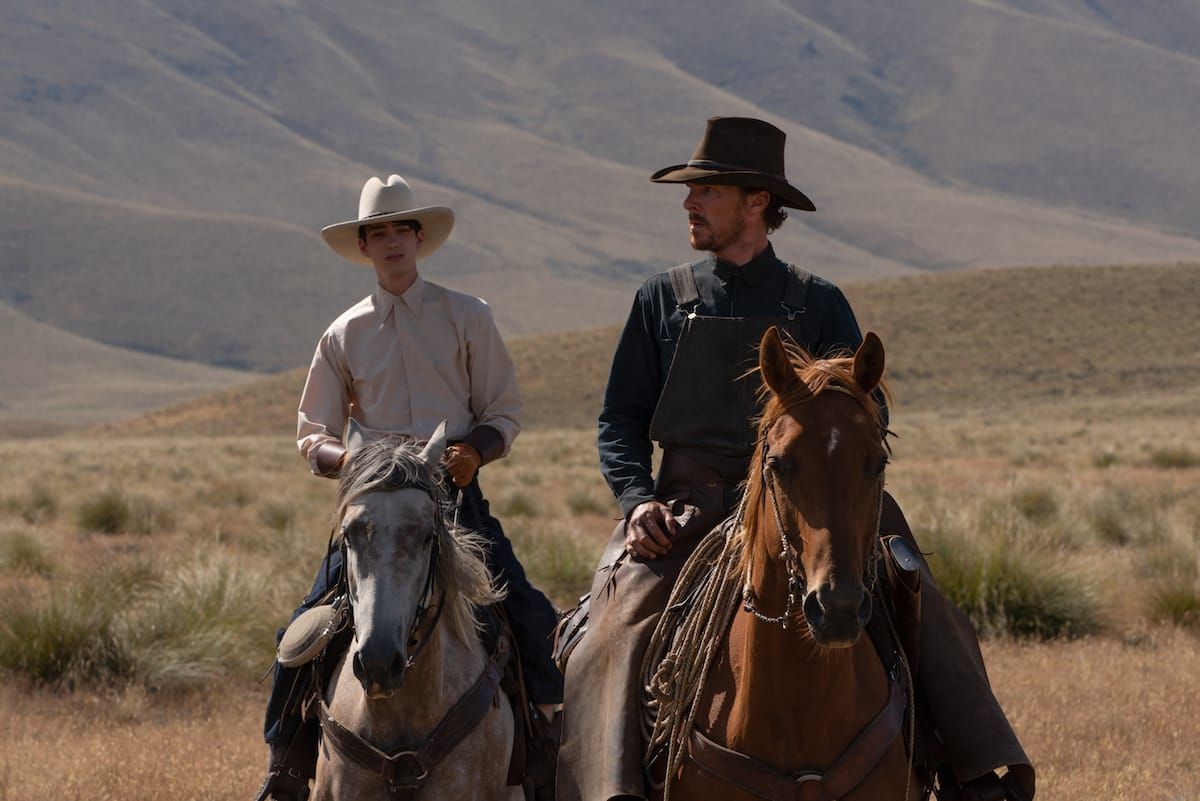
If you're a person who follows film criticism or listens to the buzz about what movies are likely to rake in the hardware during awards season, you've probably already heard about The Power of the Dog. The first film from award-winning director Jane Campion in over a decade, this is a movie that was always going to get a lot of attention regardless of its plot or quality. And it has---grabbing 12 Academy Award nominations, including Best Picture, Best Director, and acting nods for its five main cast members. But, to what is likely the surprise of no one, the film is also completely deserving of all the accolades its received, a dark and complicated exploration of both toxic masculinity and the tropes that powered the birth of a nation, a Western that is less about the West than the men it forged in its unforgiving landscapes.
As a result, moviegoers may be surprised by The Power of the Dog's often glacial pace, its lack of a clearly defined narrative, and the tragic and often unlikeable characters at its center. (This isn't a "traditional" Western, and though there are moments where it feels eerily connected to another awards season darling, Brokeback Mountain, it's not an issue-driven political piece either.) Instead, The Power of the Dog is a story about relationships between and among a group of thoroughly broken people, fueled by simmering rage, damaging repression, and a whole lot of booze.
The film, in the most basic sense, follows the story of two very different brothers and the ranch they share. There's Phil Burbank (Benedict Cumberbatch), a cruel, snarling mess of a man who loves dirt and bullies almost everything he comes into contact with, including his own animals. His fussier brother George (Jesse Plemmons) isn't as hands-on with the ranch but has grand dreams of bettering himself in society. When he marries Rose (Kirsten Dunst), the widow who runs a local bed and breakfast on their regular cattle drive route, Phil is furious---because he resents her presence in his brother's life, because he dislikes her effeminate son Peter (Kodi Smit-McPhee) for reasons that will become clear as the film continues, because he is generally an unhappy person.