Making 'Life on Earth': Attenborough's Greatest Achievement
The trailer for 'Making Life on Earth: Attenborough’s Greatest Adventure' is here right in time for Earth Day 2026.

The British are very good at creating institutions; it’s a byproduct of the country’s long history as a global empire. One does not conquer an entire planet from a tiny island without having a knack for building things that seem like they will last until the heat death of the universe. It’s part of the entire “conquest” mindset: if you convince everyone that the British crown and its holdings are inevitable and immutable, most people won’t fight them.
However, since the British Empire collapsed in the mid-20th century, that habit of creating institutions has found a new outlet via cultural exports. Consider, for example, Doctor Who, which was canceled, rebooted, and currently sits in limbo. Americans would have created spin-offs and revivals to bring it back*. But no, Doctor Who has remained Doctor Who, so much so that The Guardian still uses the original number system in its recaps.
(*I can see it now: Doctor Who: The Next Regeneration, Doctor Who: Deep Space Mine, Doctor Who: Strange New Timelines...)
But there is no institution more foundational to the BBC than David Attenborough. The man has been producing and starring in nature programs for the BBC since 1952; his career currently spans 84 years and counting. As he turns 100 in May 2026, with more series slated for the late 2020s, he is a living institution, a witness to the last century of climate change, a man whose voice is synonymous with nature on public television on both sides of the pond. It’s no wonder that both the BBC and PBS are celebrating his centenary with a new documentary special, Making Life on Earth: Attenborough’s Greatest Adventure, looking back on one of his greatest achievements, Life on Earth, which marks a half-century since the start of production... when Attenborough was just at the tender age of 50.
Here’s the synopsis for Making Life on Earth: Attenborough’s Greatest Adventure:
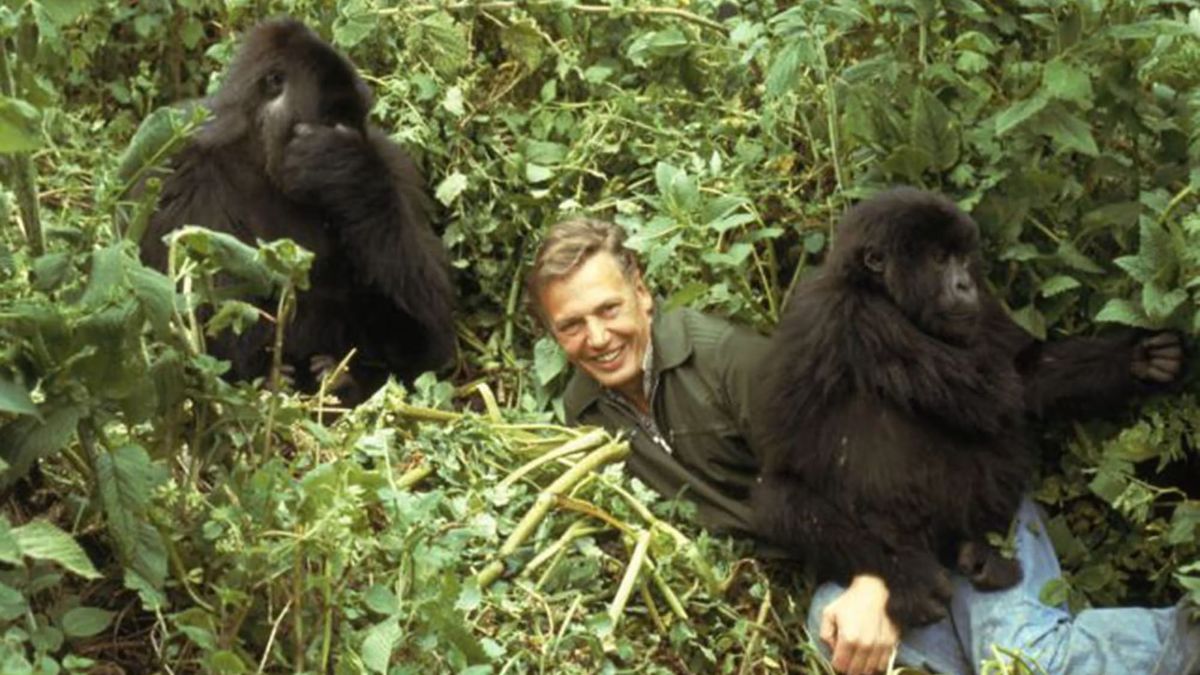
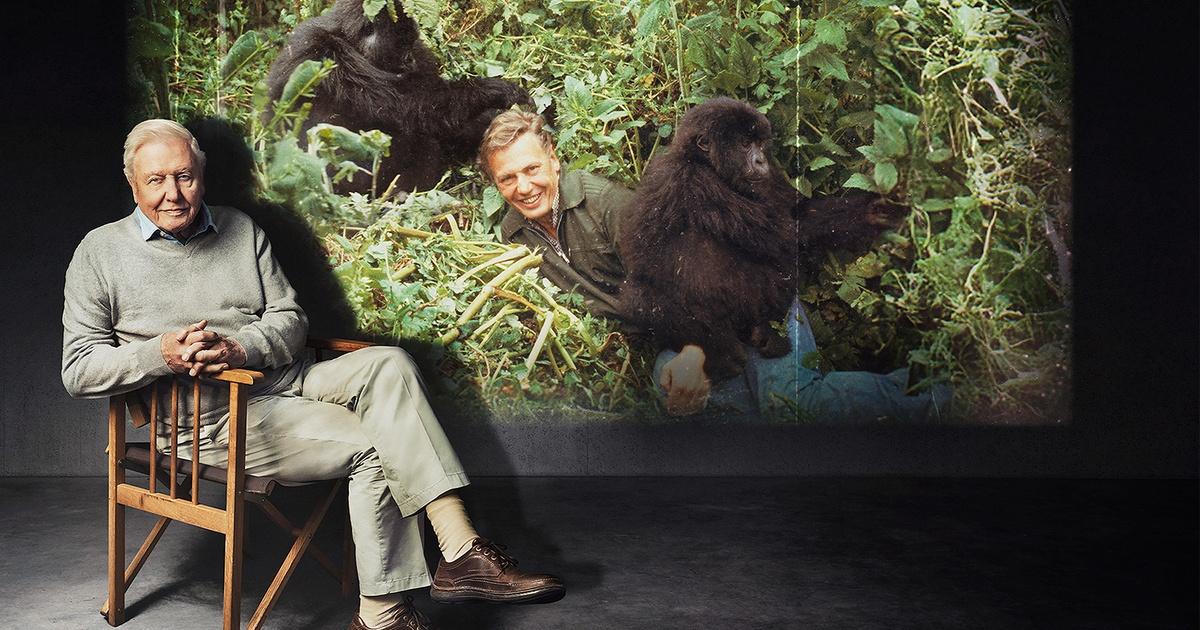
Making Life on Earth: Attenborough’s Greatest Adventure goes behind-the-scenes on this groundbreaking landmark series, featuring exclusive interviews with David Attenborough and other members of the original crew. With fascinating insights, they reveal the highs and lows of filming the series during a truly exciting moment in television history, when global jet travel and colour filming were still in their infancy. Along the way, the crew encountered multiple challenges, including a coup in the Comoros, being shot at in Rwanda, and threats from Saddam Hussein’s army in Iraq. Broadcast in 1979 and watched by 500 million people worldwide, it confirmed David’s reputation as the most successful and influential wildlife filmmaker of our time. His astonishing encounter with gorillas in Rwanda's mountains for this series is frequently voted one of the top TV moments of all time.
(*PBS will drop the “Making” bit for the more streamlined title “Life on Earth: Attenborough’s Greatest Adventure.”)
Making Life on Earth: Attenborough’s Greatest Adventure will, as always, star Attenborough as he looks back on his life and memories of creating the groundbreaking series, directed by Victoria Bobin. Mike Davis is the executive producer with Sue Aartse-Tuyn. BBC Studios Natural History Unit produces the series; Diana El-Osta is the Executive in Charge for PBS.
Life on Earth: Attenborough’s Greatest Adventure will premiere on PBS stations as part of the long-running NOVA series on Wednesday, May 6, two days before the U.K. debut on Friday, May 8, 2026. The original Life on Earth miniseries is available to stream on BBC Select for BritBox Premier subscribers.


Sign up for full access to Telly Visions' recaps and reviews!